Five years of learning, transforming, and co-creating, and now we tie the final bow! After almost five years of collaborative research, innovation, and on-the-ground green transformations across European cities, we’re thrilled to conclude our journey together at the JUSTNature Final Conference.
Towards JUST, Sustainable Urban Transformations: On-the-ground insights on delivering equitable Nature-based Solutions
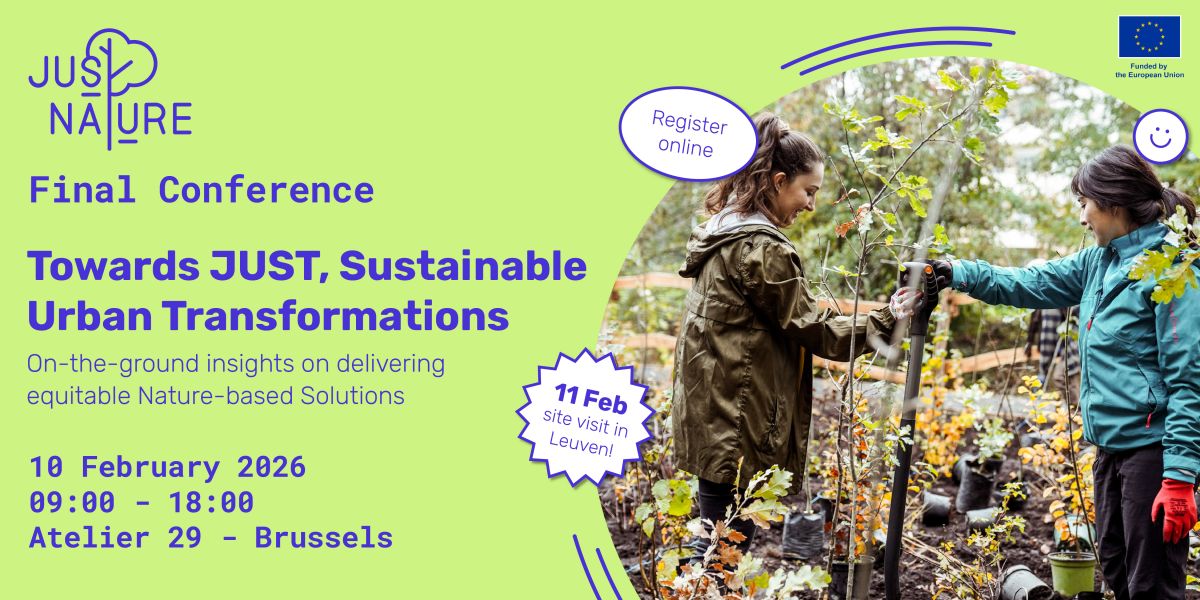
This event marks the culmination of our journey advancing equitable Nature-based Solutions in urban areas: from meaningful stakeholder engagement to inclusive strategies that help ensure fair access to ecological space for all. We’ll bring these insights to life through interactive sessions and panel debates with invited speakers. A guided visit in Leuven will wrap up the event, immersing participants in our project’s interventions firsthand!
Whether you’re a policymaker, urban planner, researcher, activist, or practitioner, come be part of this exchange, and take away actionable learnings for inclusive, sustainable urban change.
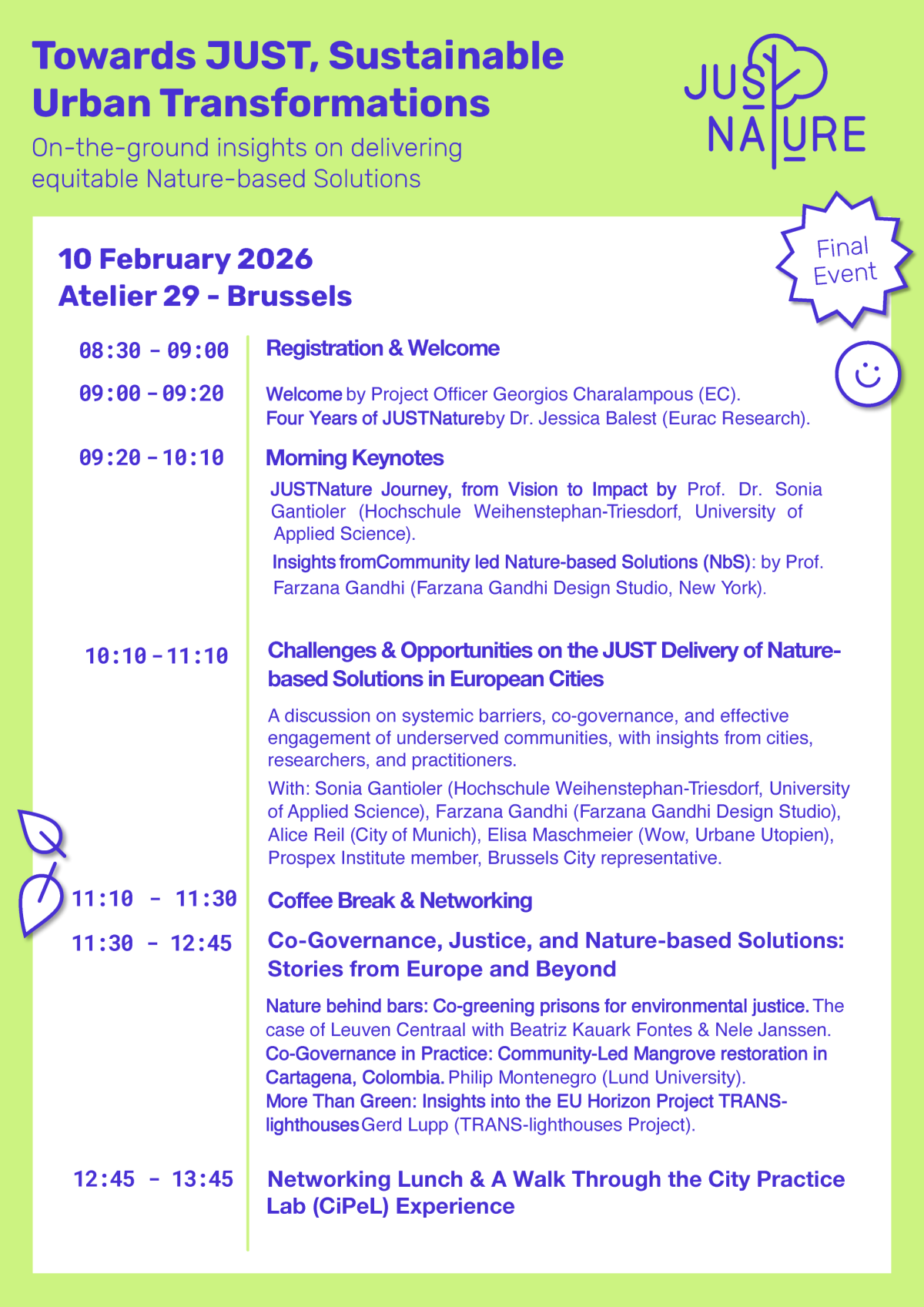
Conference Programme
February 10th: Atelier 29 (Brussels) - 9:00 to 19:00
A full day with a collection of talks, interactive workshops, and discussions based on real-world experiences of delivering nature-based solutions. With insights from local practitioners and experts in sustainable architecture, the conference will explore the complex topic of how to create urban change that has social justice and co-governance at the centre.
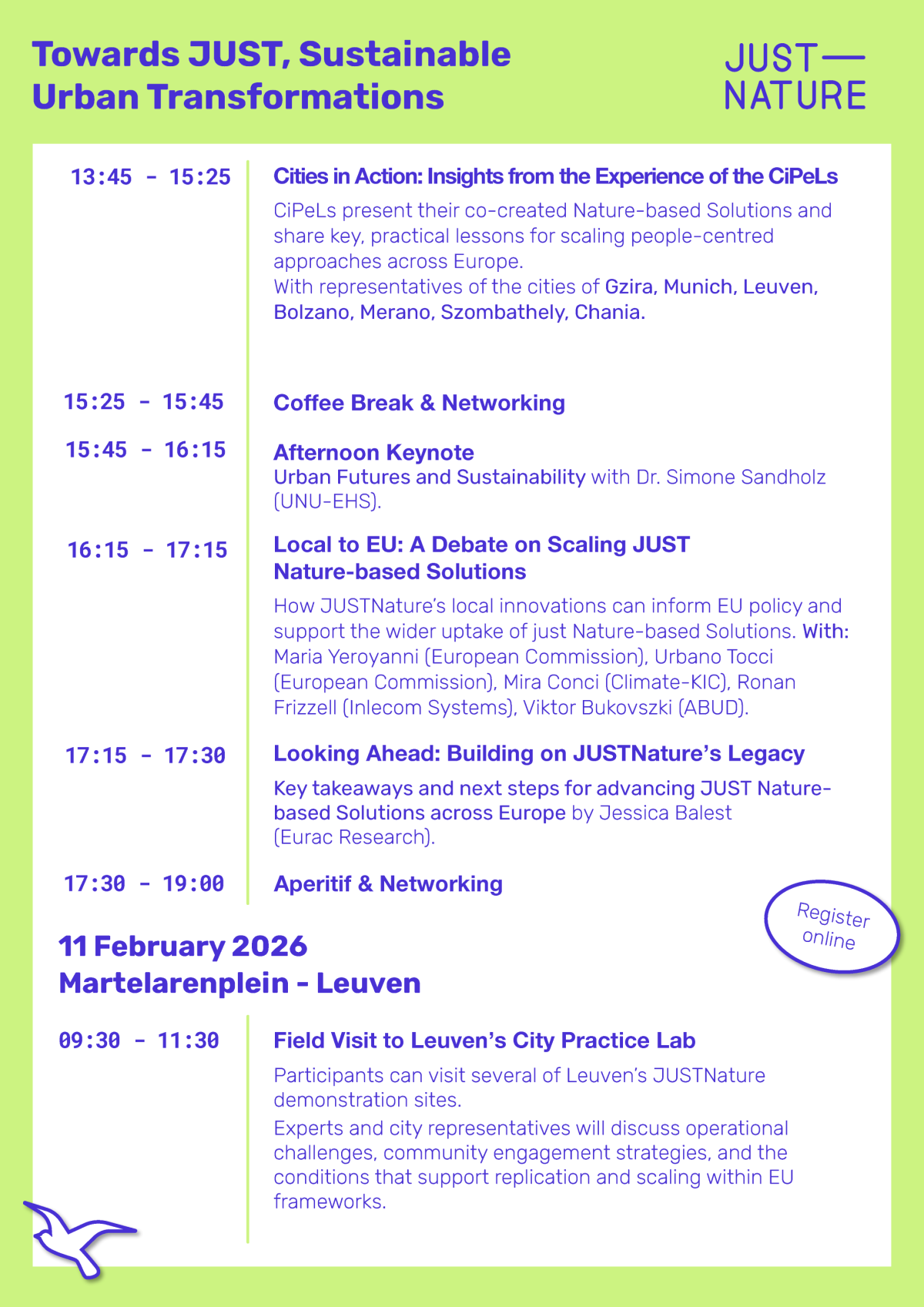
February 11th: Martelarenplein (Leuven) - 9:30 - 12:00
Field visits within Leuven, by foot and by bike: participants can choose between five tour options in Leuven's City Practice Lab, guided by local experts, who will discuss operational challenges, community engagement strategies, and the conditions that support replication and scaling within EU frameworks.
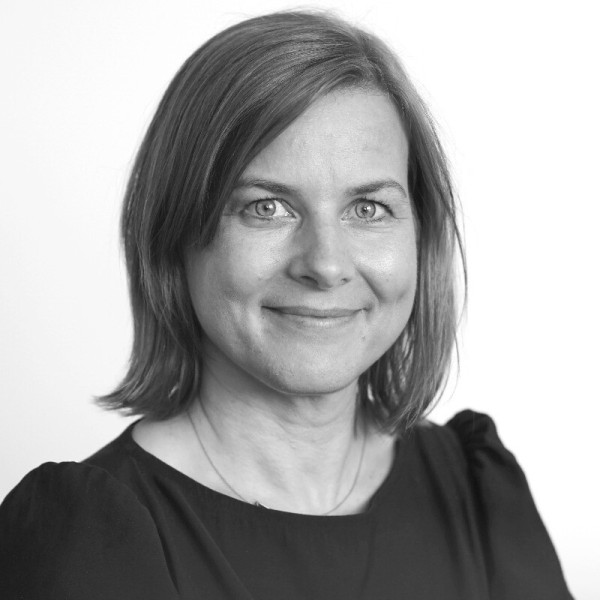
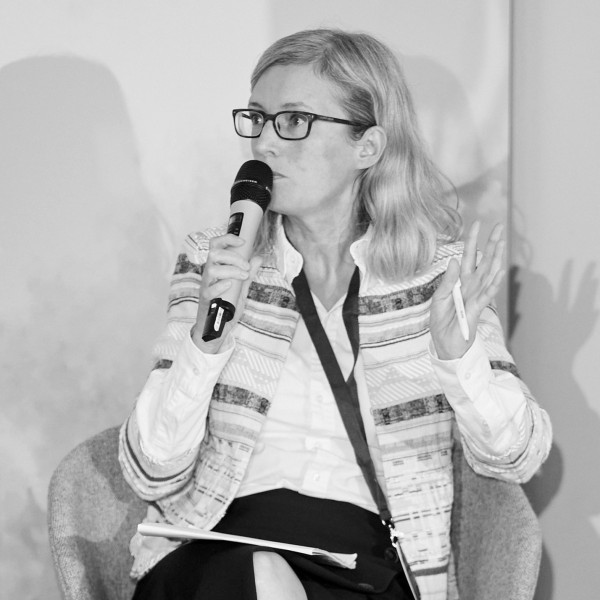
About our Keynote Speakers

About the Site Visits
TOUR 1: Nature Behind Bars and Beyond Life. A visit to Leuven Cemetery, passing by the JUSTNature prison pilot.
The days when cemeteries were only used to bury the dead are long gone. Today, cemeteries have the potential to serve interesting new functions related to ecology, experience, art, and more. We do not shy away from experiment. Would you like to discover the various possibilities for yourselves? Feel free to come and visit us.
On our way to the cemetery, Leuven Central prison is located, where one of the JUSTNature pilots is located. We can’t enter, but we will tell you the story at the gates!
TOUR 2: From Prototype to Climate Street: Exploring JUSTNature’s Constantin Meunier Pilot
Join us for a visit to the pilot site of the JUSTNature project in the Constantin Meunierstraat — a street currently being transformed a ‘climate-street.’ To redesign this public space, the city tested large‑scale greening measures and mobility changes through a full‑street JUSTNature prototype. During the visit, you’ll explore this test setup and learn how traffic measurements, citizen science, and local engagement shaped the final design.
And there’s a special twist: we travel to the site with Leuven’s autonomous shuttle — Belgium’s first self‑driving bus operating in regular traffic. It’s a unique chance to experience two innovative pilots in one tour, and to see how Leuven is experimenting its way toward a cooler, greener and more future‑proof city.
TOUR 3: Stand up for your neighborhood! Shaping public space with citizens
The city of Leuven is running a citizens engagement program ‘Stand up for your neighborhood”, in which citizens are guided through a co-creation process for realizing all kind of projects in their own street or neighborhood.
When redeveloping urban space, we also try to make room for nature-based solutions. In the Constantin Meunierstraat, a temporary installation is testing how the implementation of Nature Based solutions can change neighborhoods. During this tour, you will explore various Stand up for your Neighborhood projects and our JUSTNature pilot in the Constantin Meunierstraat.
TOUR 4: From Grey to Green: A Life Pact Bike Tour
Join us for an inspiring bike tour through Leuven and discover how the European funded Life Pact project is reshaping the city for a changing climate. As we cycle beyond the historic center, we explore how climate adaptation and community participation go hand in hand. Technical solutions like water infiltration or cooling measures only work when they are co-created with the people who live there.
Along the way, we visit examples of greener streets, redesigned public spaces, and resident‑driven initiatives that make neighborhoods more resilient. You’ll see how replacing asphalt with plants and trees not only cools the city but also turns ordinary streets into vibrant meeting places. Whether your focus is climate or community, this tour offers a unique look at how Leuven is moving toward a greener, more connected future.
* Practical note: Pick up your bicycle at the Leuven train station between 9:00 and 9:15. Please let us know if you bring your own bike.
TOUR 5: Brewing a New Future: Sustainability in the Vaartkom — A Revitalised Waterfront
The Lower Town and the Vaartkom district have undergone a remarkable transformation in recent years — and the evolution is still ongoing. Former industrial brewery sites have been reimagined as vibrant residential neighbourhoods where sustainability plays a central role. A wide range of initiatives focused on greening, energy, water management, and mobility have helped create a pleasant and highly liveable urban environment.
During this guided walk, participants explore both the flagship projects that have already been completed and the sometimes challenging journey it took to realise them. While the main focus is on climate adaptation, many other innovative urban projects will also be highlighted.
Please fill in this form to choose the Tour of your preference.